
The Benefits of Isopropyl Alcohol in Disinfection
November 9, 2026
Isopropyl alcohol (IPA)—also known as isopropanol or 2-propanol—is one of the most widely used disinfectants in healthcare, industrial, and household settings. From surgical prep solutions to cleanroom maintenance, its rapid antimicrobial action makes it an indispensable tool for infection control. However, its effectiveness depends heavily on concentration, purity grade, and proper application methods.
Understanding the science behind IPA is essential for healthcare facilities, laboratory managers, and medical device manufacturers who require reliable, compliance-ready sanitization solutions.
Why Concentration Matters
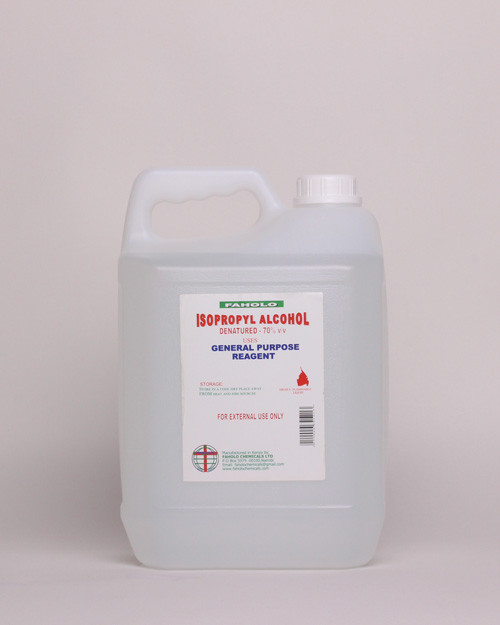
A common misconception in sanitization is that higher concentrations always yield better results. However, 70% Isopropyl Alcohol is generally considered more effective than 99% IPA for microbial disinfection due to the chemical role water plays in the process.
Here is why concentration dictates efficacy:
- Protein Denaturation Needs Water: Water acts as a catalyst in coagulating and denaturing the proteins of cell walls. Pure alcohol (99%) causes immediate outer protein coagulation, creating a protective barrier around the microorganism that prevents the alcohol from penetrating deeper.
- Controlled Evaporation Rates: High concentrations of alcohol (99%) evaporate too quickly, reducing the necessary contact time required to kill pathogens. A 70% dilution stays on surfaces longer, ensuring complete microbial destruction.
- Target Specificity: While 70% IPA excels against vegetative bacteria, fungi, and lipid-containing viruses, 99% IPA is reserved primarily as a solvent, water-repellent, or electronic cleaner where residue-free, rapid drying is critical.
Common Applications in Healthcare and Industry
The versatility of Isopropyl Alcohol spans across multiple high-precision sectors:
- Skin Antisepsis Prior to Injections: 70% IPA prep pads and skin cleansers rapidly diminish microbial counts on the epidermis before venipuncture, surgical incisions, or vaccine administration.
- Hard Surface & Equipment Disinfection: Ideal for wiping down non-porous medical equipment, hospital bed rails, counters, and diagnostic instruments between patient visits.
- Cleanroom & Laboratory Decontamination: High-purity, sterile-filtered IPA solutions are routinely used in pharmaceutical manufacturing environments to maintain ISO-class cleanroom integrity.
- Electronics & Sensitive Instrument Care: Because high-purity IPA leaves zero liquid residue, it is used safely to clean delicate medical device components, sensors, and optical lenses.
Choosing the Right Grade for Medical Product Manufacturing
When incorporating IPA into your facility's protocols or utilizing it as a raw material in healthcare product development, selecting the correct standard is critical for regulatory compliance and user safety.
- USP (United States Pharmacopeia) Grade: Essential for medical devices, drug compounding, and clinical applications to ensure zero harmful impurities.
- Technical/Industrial Grade: Suitable for general cleaning, solvent extraction, and non-critical manufacturing processes.
As medical manufacturing standards evolve, partnering with a certified chemical formulator ensures that your disinfectant supplies meet stringent quality control standards, ensuring safety from raw formulation to end product delivery.
Partner with Us for Custom Medical & Chemical Manufacturing
Whether you are scaling production of pharmaceutical-grade antiseptics, sourcing bulk USP 70/30 IPA blends, or developing custom private-label medical products, our state-of-the-art manufacturing facilities deliver unmatched purity and compliance.
Contact our contract manufacturing team today to discuss custom formulations, bulk orders, and supply chain solutions tailored to your healthcare business needs.